
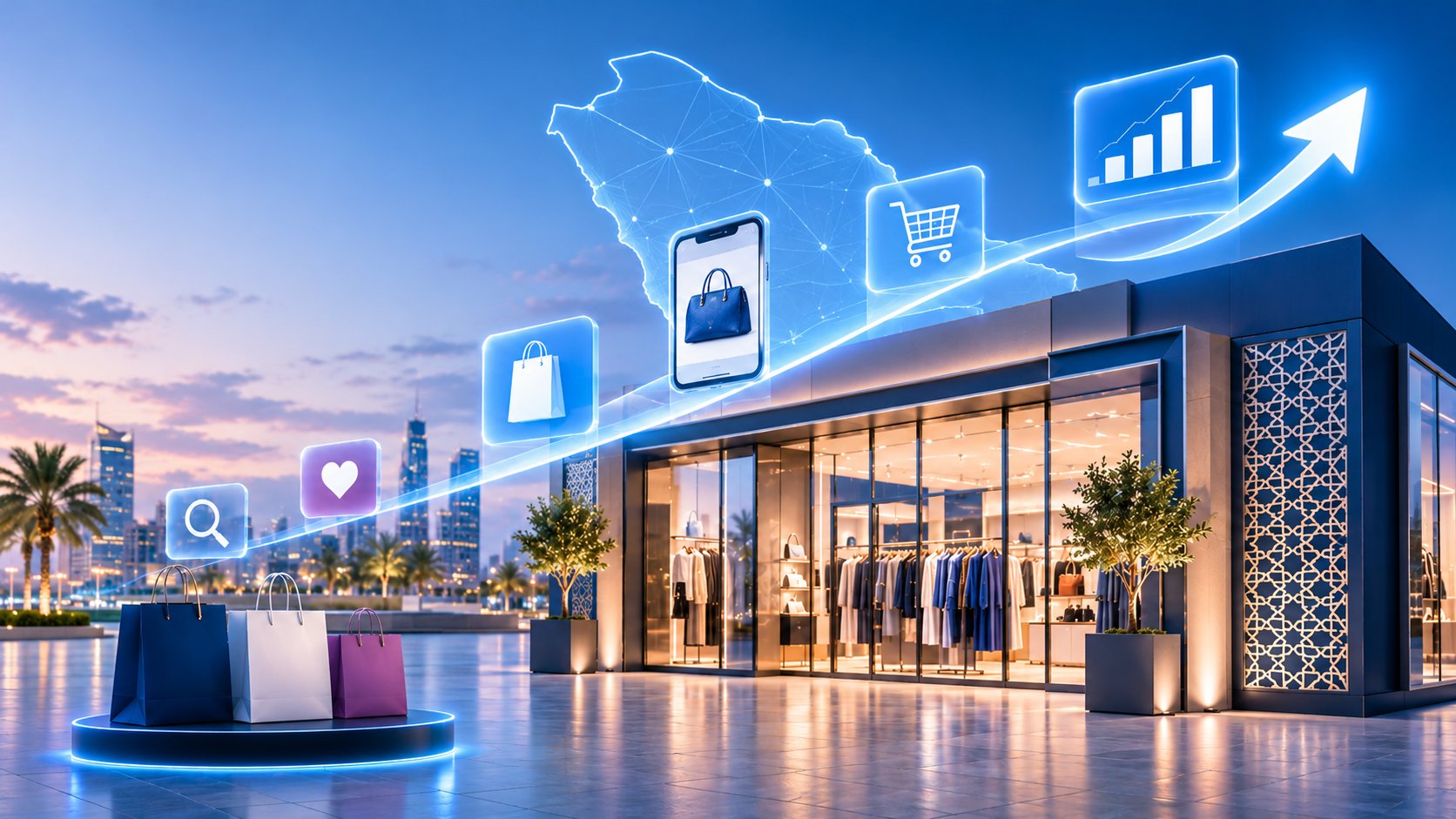
In today's fast-paced digital era, the retail industry in Saudi Arabia is experiencing a significant transformation. With the rise of e-commerce and changing consumer behaviors, traditional marketing methods are no longer sufficient. Retailers need to embrace digital marketing strategies to stay competitive and unlock growth. This blog post explores effective digital marketing strategies for retailers, focusing on the unique needs of the Saudi market.
The Importance of Digital Marketing for Retailers
Digital marketing for retailers is crucial in reaching a broader audience, increasing brand visibility, and driving sales. In Saudi Arabia, where internet penetration and smartphone usage are high, digital marketing offers an excellent opportunity for retailers to connect with their target customers. By leveraging digital marketing for the retail industry, businesses can:- Reach a Wider Audience: Digital marketing allows retailers to target specific demographics and reach potential customers who are most likely to be interested in their products.
- Enhance Customer Engagement: Through social media, email marketing, and other digital channels, retailers can engage with customers in real-time, building stronger relationships and brand loyalty.
- Increase Sales: Effective digital marketing strategies can drive traffic to both online and physical stores, leading to increased sales and revenue.
- Measure Success: Digital marketing provides valuable insights and analytics, enabling retailers to track the success of their campaigns and make data-driven decisions.
Key Digital Marketing Strategies for Retailer
1. Search Engine Optimization (SEO)
SEO is the foundation of any successful digital marketing strategy. By optimizing their websites for search engines, retailers can improve their online visibility and attract organic traffic. Key elements of SEO for retailers include:- Keyword Research: Identifying and targeting relevant keywords that potential customers are searching for.
- On-Page Optimization: Optimizing website content, meta tags, and images to improve search engine rankings.
- Technical SEO: Ensuring the website is mobile-friendly, has a fast loading speed, and a secure connection (HTTPS).
- Local SEO: Optimizing for local search results to attract nearby customers, essential for brick-and-mortar stores.
2. Content Marketing
Content marketing involves creating and distributing valuable, relevant, and consistent content to attract and engage a target audience. For the retail industry, content marketing can take various forms, such as:- Blog Posts: Providing helpful information, product reviews, and industry news.
- Video Content: Showcasing products, tutorials, and behind-the-scenes looks.
- Social Media Posts: Sharing engaging content on platforms like Instagram, Facebook, and Twitter.
- Email Newsletters: Keeping customers informed about new products, promotions, and events.
3. Social Media Marketing
Social media marketing is a powerful tool for retailers to connect with their audience, build brand awareness, and drive sales. Key strategies for social media marketing include:- Platform Selection: Choosing the right social media platforms based on where the target audience spends their time.
- Content Creation: Creating visually appealing and engaging content that resonates with the audience.
- Influencer Collaborations: Partnering with influencers to reach a broader audience and gain credibility.
- Paid Advertising: Utilizing social media ads to target specific demographics and drive traffic to the website or store.
4. Email Marketing
Email marketing is an effective way to nurture relationships with customers and keep them engaged. Retailers can use email marketing to:- Segment Audiences: Sending personalized emails to different segments based on their interests and behaviors.
- Promote Products: Highlighting new arrivals, bestsellers, and special offers.
- Share Content: Providing valuable content, such as how-to guides and industry insights.
- Automate Campaigns: Setting up automated email sequences for welcome messages, abandoned cart reminders, and post-purchase follow-ups.
5. Pay-Per-Click (PPC) Advertising
PPC advertising allows retailers to reach potential customers through paid search engine and social media ads. Key benefits of PPC advertising include:- Immediate Results: Unlike SEO, PPC ads can drive traffic and sales almost immediately.
- Targeted Advertising: Ads can be targeted based on keywords, demographics, and interests.
- Budget Control: Retailers can set their budget and only pay when someone clicks on their ad.
- Measurable ROI: PPC campaigns provide detailed analytics to measure performance and ROI.
6. Influencer Marketing
Influencer marketing involves partnering with influencers who have a large and engaged following. For the retail industry, influencers can:- Promote Products: Sharing reviews and endorsements of products.
- Create Authentic Content: Providing a more authentic and relatable perspective.
- Reach New Audiences: Expanding the brand's reach to the influencer's followers.
- Drive Sales: Influencers can drive traffic and sales through discount codes and affiliate links.
Adapting Digital Marketing Strategies to the Saudi Market
The Saudi market presents unique opportunities and challenges for retailers. To succeed, retailers need to adapt their digital marketing strategies to meet the preferences and behaviors of Saudi consumers. Key considerations include:- Cultural Sensitivity: Understanding and respecting local customs, traditions, and values in marketing campaigns.
- Language: Creating content in both Arabic and English to reach a broader audience.
- Mobile Optimization: Ensuring websites and digital content are mobile-friendly, given the high smartphone usage in Saudi Arabia.
- Local Partnerships: Collaborating with local influencers and businesses to build credibility and trust.
- E-commerce Growth: Capitalizing on the growing trend of online shopping by optimizing e-commerce platforms and providing seamless online experiences.